
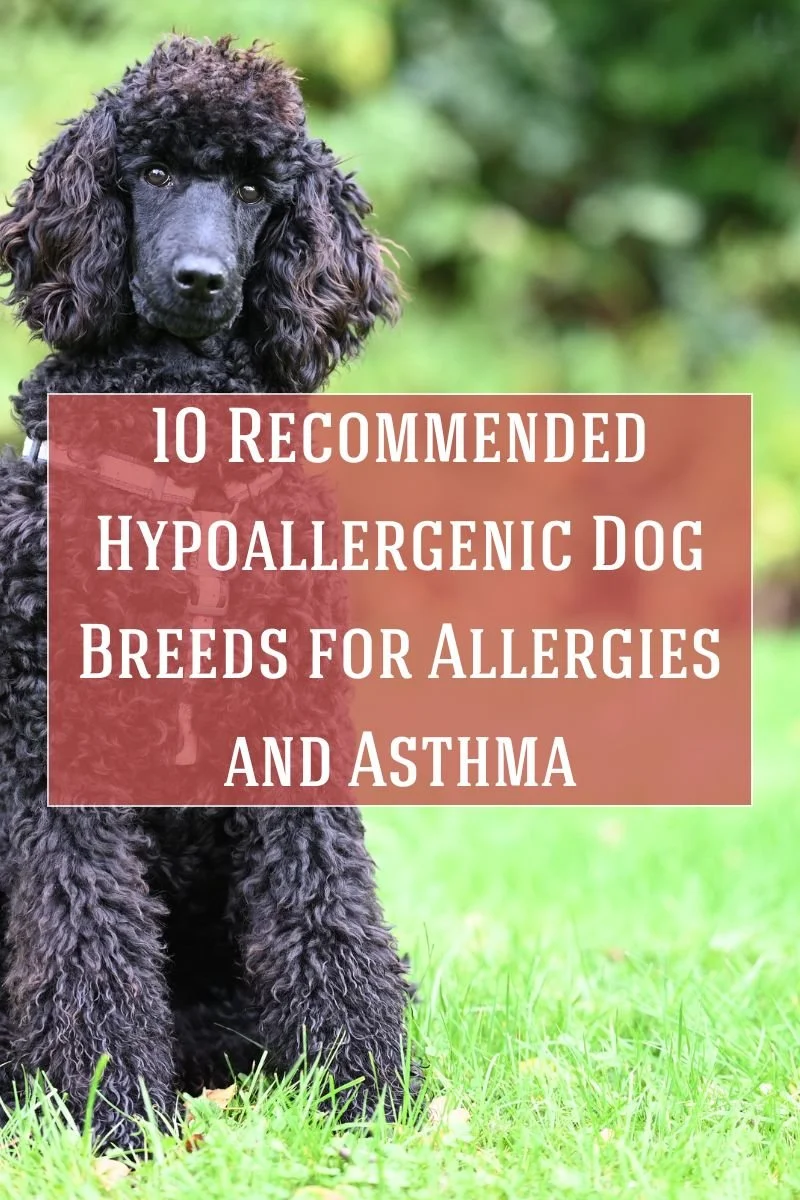
10 Recommended Hypoallergenic Dog Breeds for Allergies and Asthma
Introduction to Hypoallergenic Dog Breeds
If you struggle with allergies or asthma but still want to have a furry friend in the house, you may be interested in learning about hypoallergenic dogs. While there's no dog that's truly hypoallergenic, there are some breeds that shed less and produce fewer allergens, making them a better option for those prone to allergies.
This post shares 10 different hypoallergenic dog breeds that may be a good fit for you and some helpful tips if you're allergic to dogs. Please remember that many of these breeds are available for adoption at your local shelter or a breed-specific dog rescue. You can also use a website such as Petfinder to find dogs available for adoption near you.
10 Allergy and Asthma-Friendly Dog Breeds
While there are hypoallergenic dog breeds beyond this list, here are some of the most popular ones.
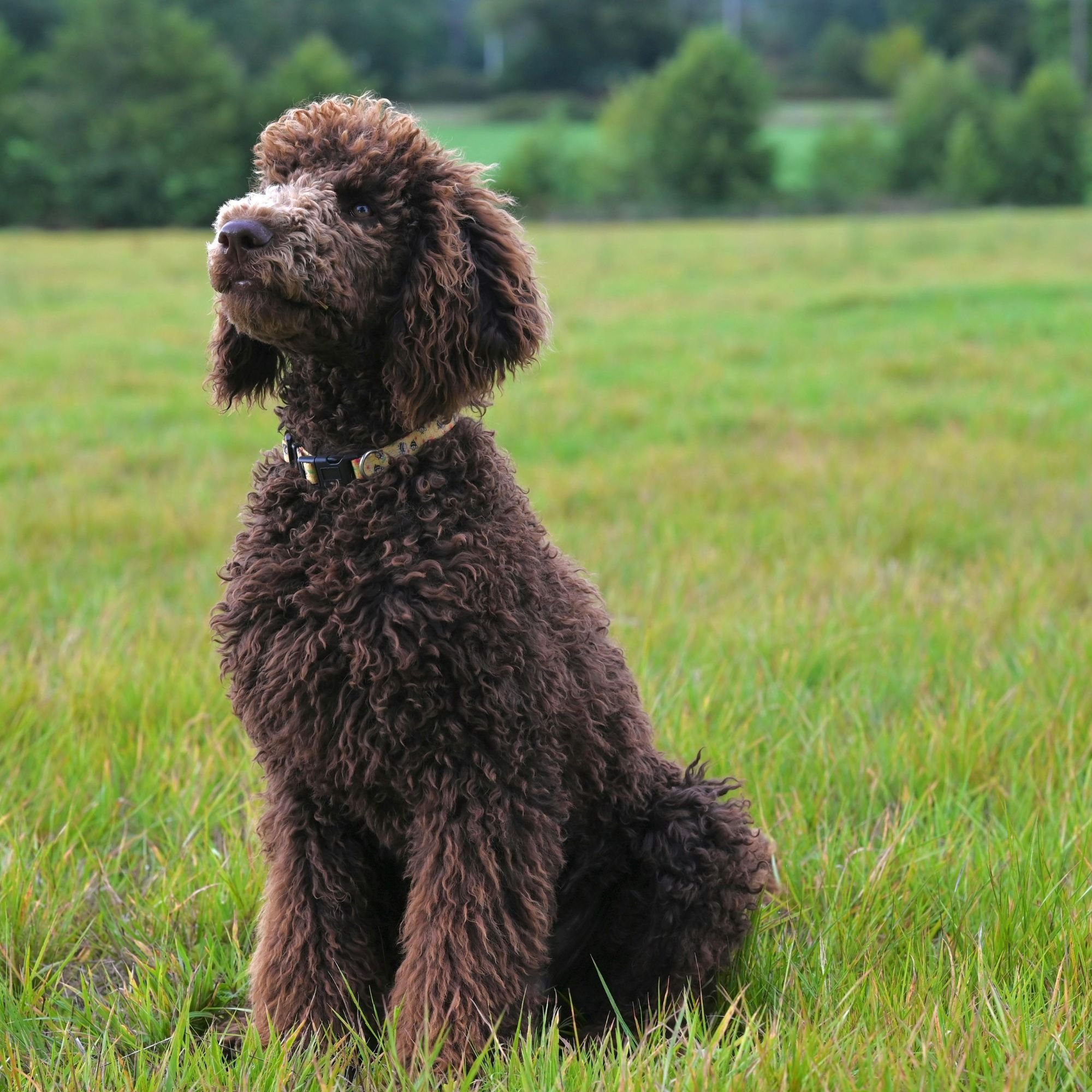
1. Poodle
Poodles are considered one of the smartest dog breeds, and they're also known to be friendly and affectionate. Poodles may be standard, miniature, and toy size, but they share the same temperament and hypoallergenic properties.
2. Bichon Frise
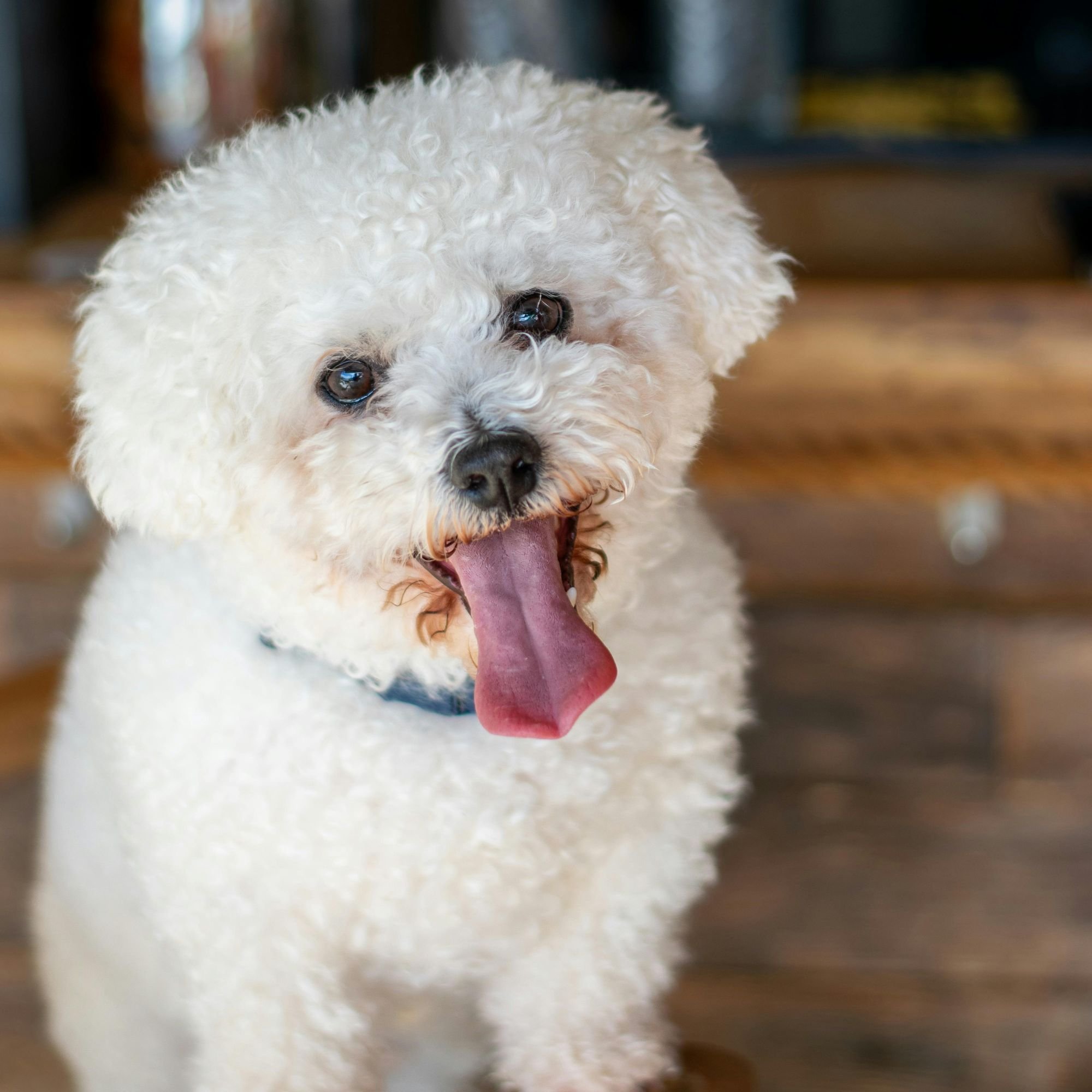
Bichon Frise is a playful, fluffy white dog known to be very joyful and gentle. While they do have that recognizable coat, they shed very little making them perfect if you're allergic.
3. Maltese
The Maltese is a small toy dog breed with a beautiful, shiny coat. They are often gentle and very intelligent, and despite their long fur, they have minimal shedding.

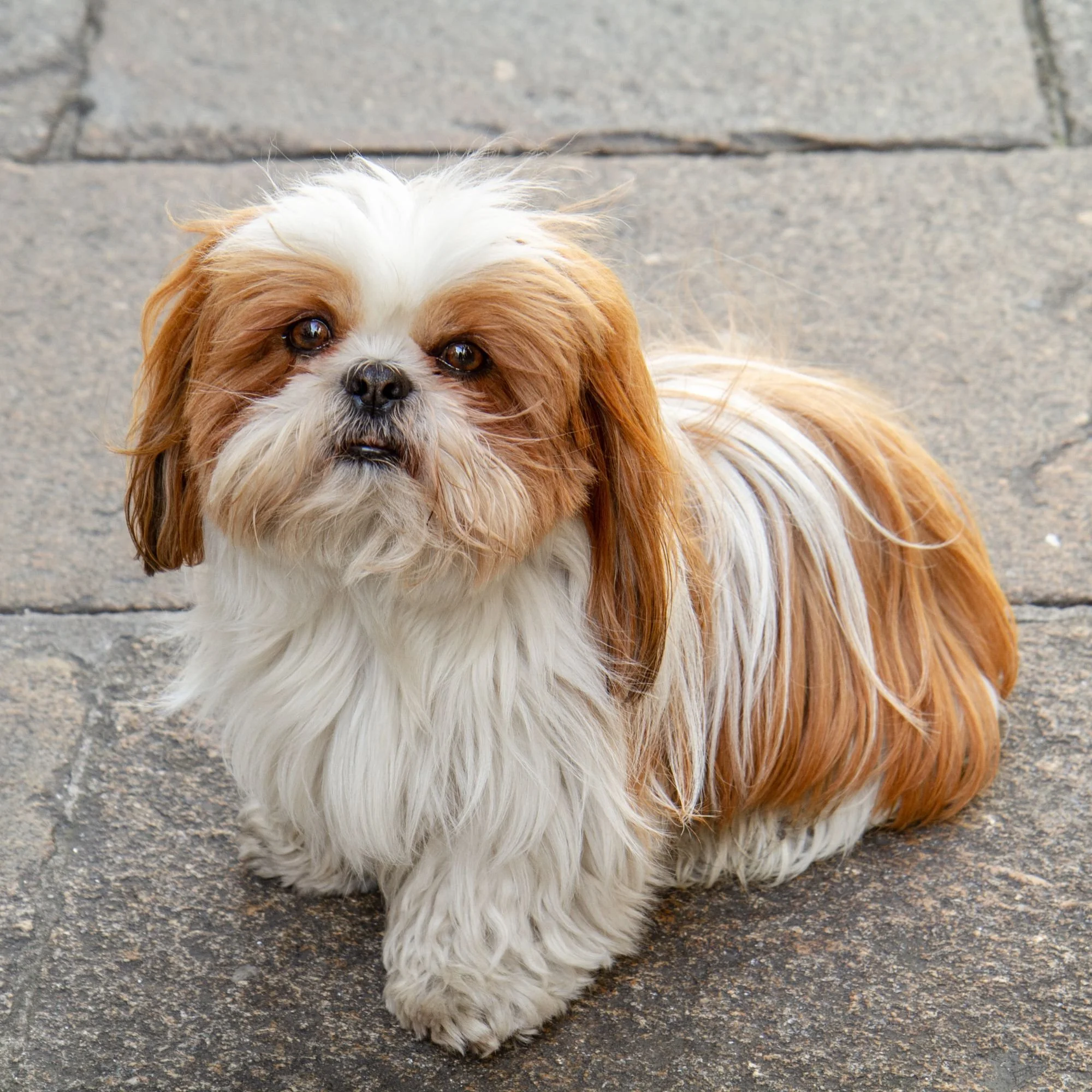
4. Shih Tzu
A Shih Tzu makes for the perfect family dog, as it's small, affectionate, and often great with children and other pets. While they're considered hypoallergenic, their double coat requires daily brushing to prevent tangles.
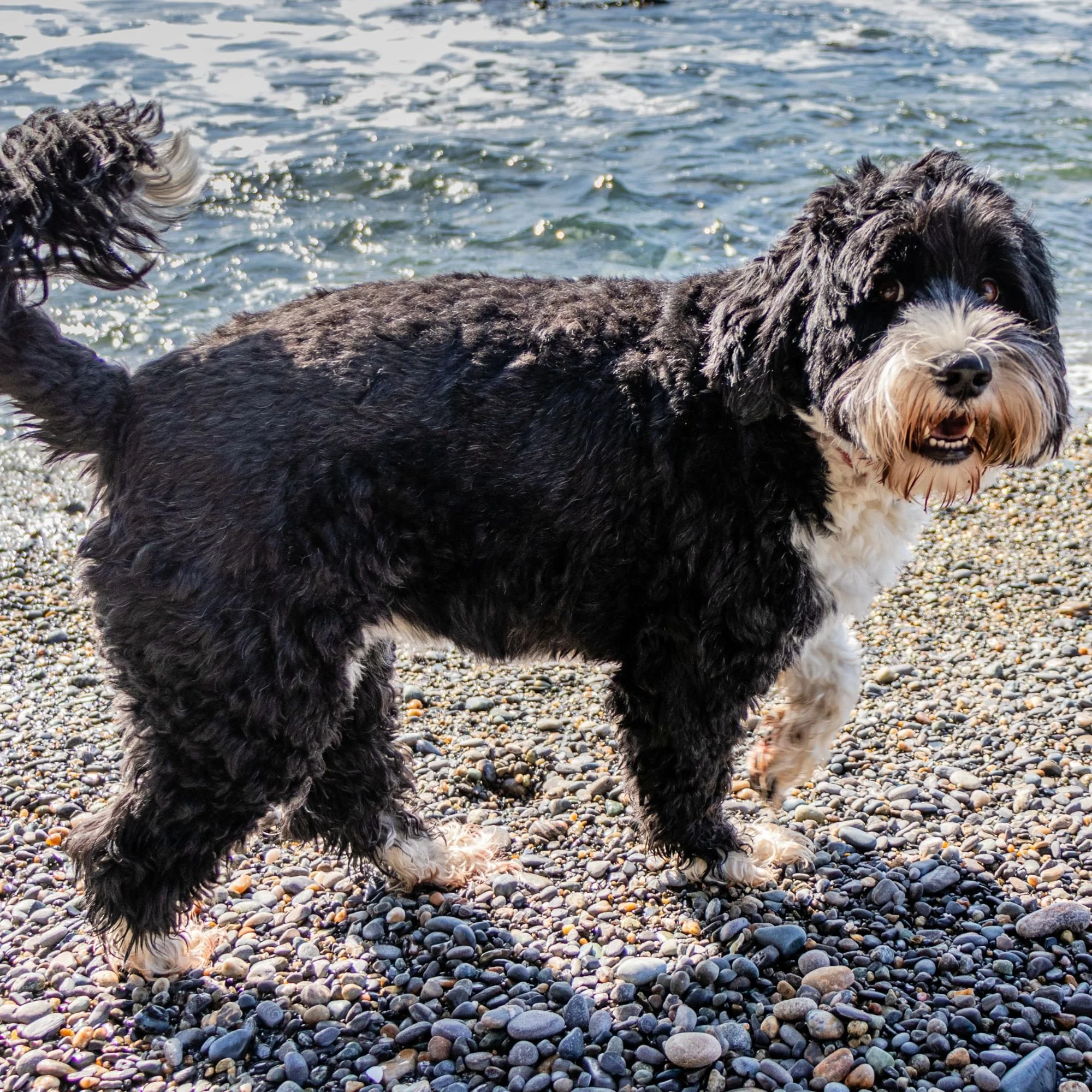
5. Portuguese Water Dog
If you're looking for a large, energetic dog to keep you company, the Portuguese Water Dog may be the right fit. These dogs often require lots of exercise, regular grooming, and positive reinforcement training, so be sure to take that into consideration.
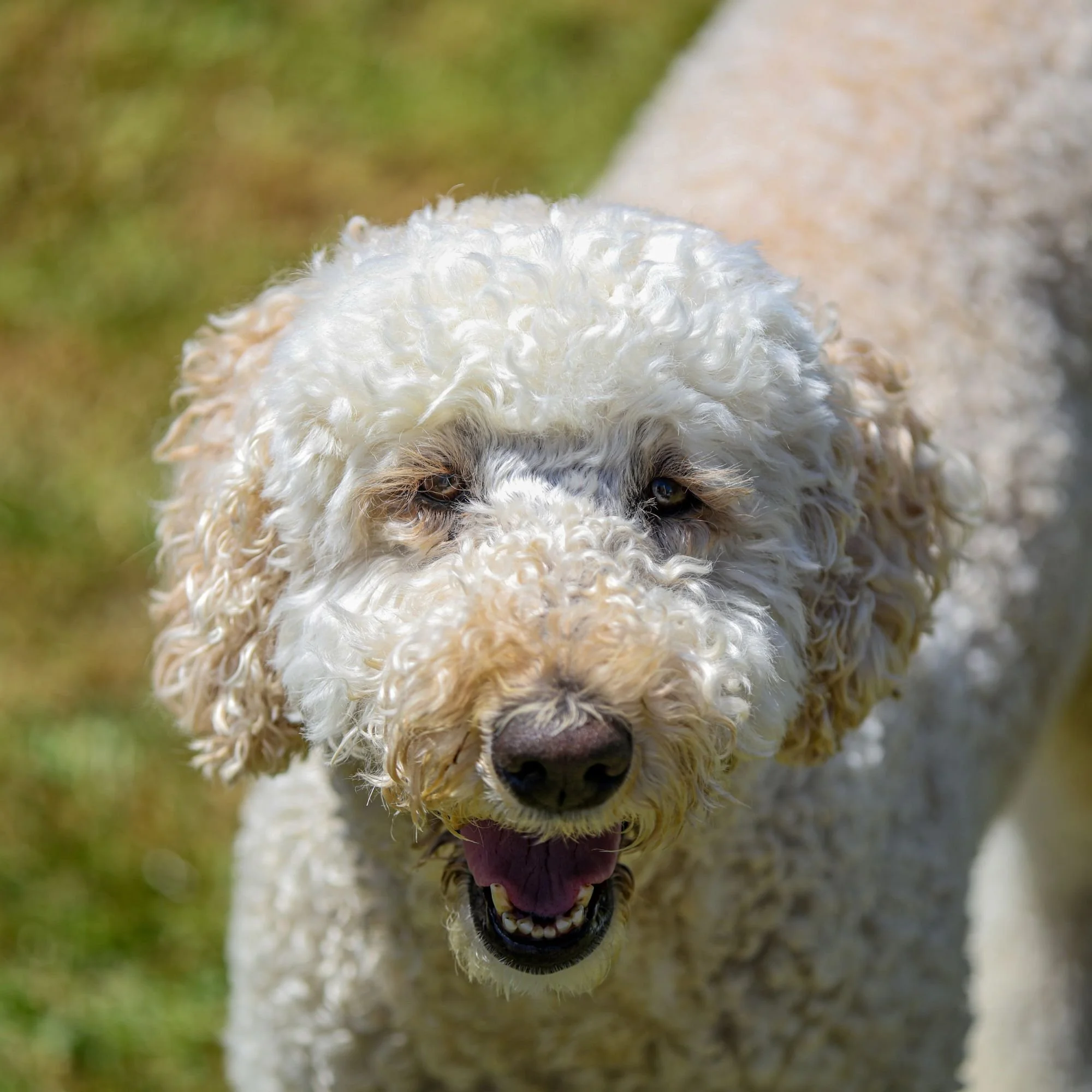
6. Labradoodle
Labradoodles are a crossbreed of a Poodle and a Labrador Retriever, and they make for a friendly and trainable pet. Labradoodles are often considered to be hypoallergenic, but it depends on the specific dog. Most tend to require regular grooming.
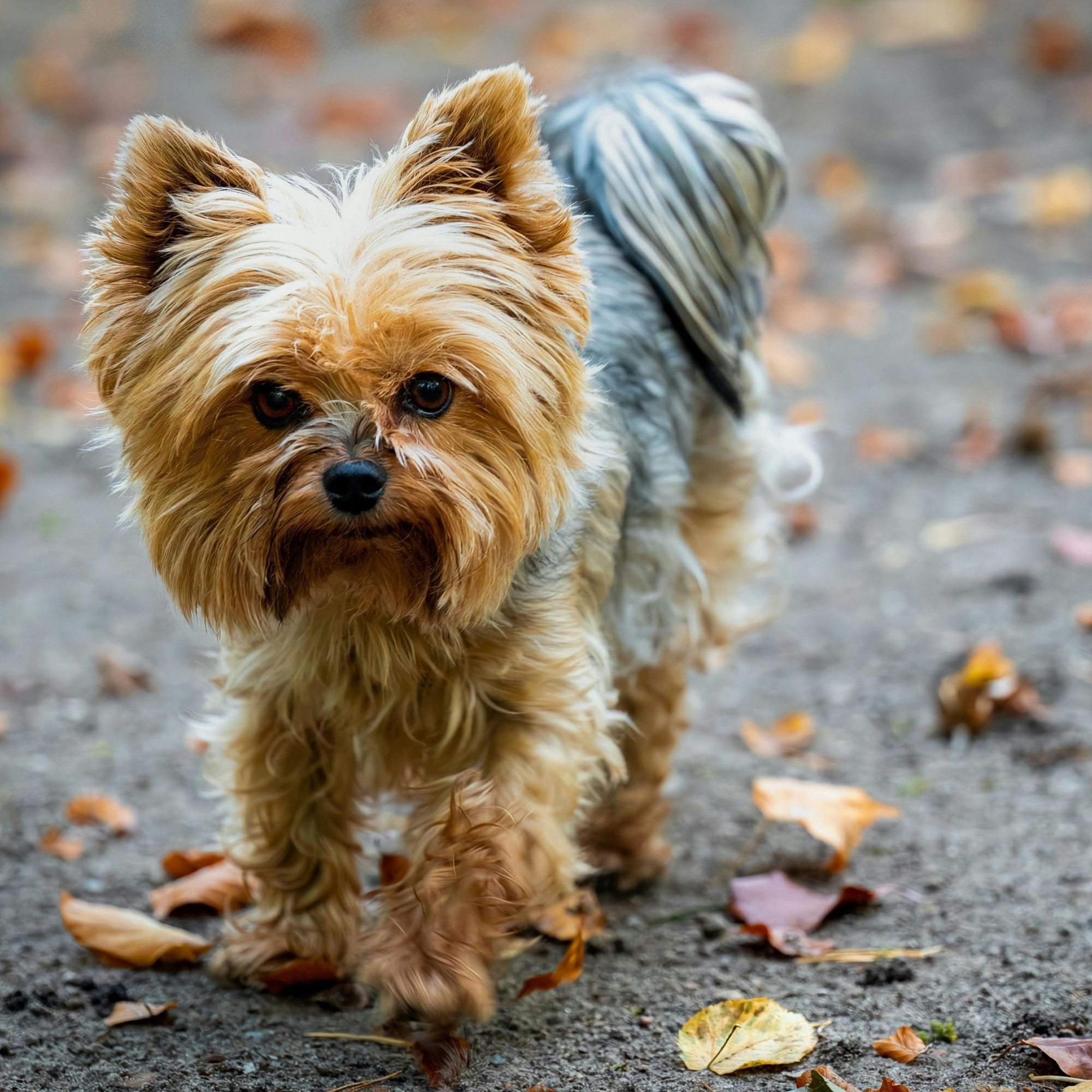
7. Yorkshire Terrier
Yorkshire Terriers are small breeds with big personalities. They're both energetic and protective, and make for great watchdogs as they can be bold and vocal. Their hair is human-like and grows continuously, with minimal shedding and dander.
8. Schnauzer
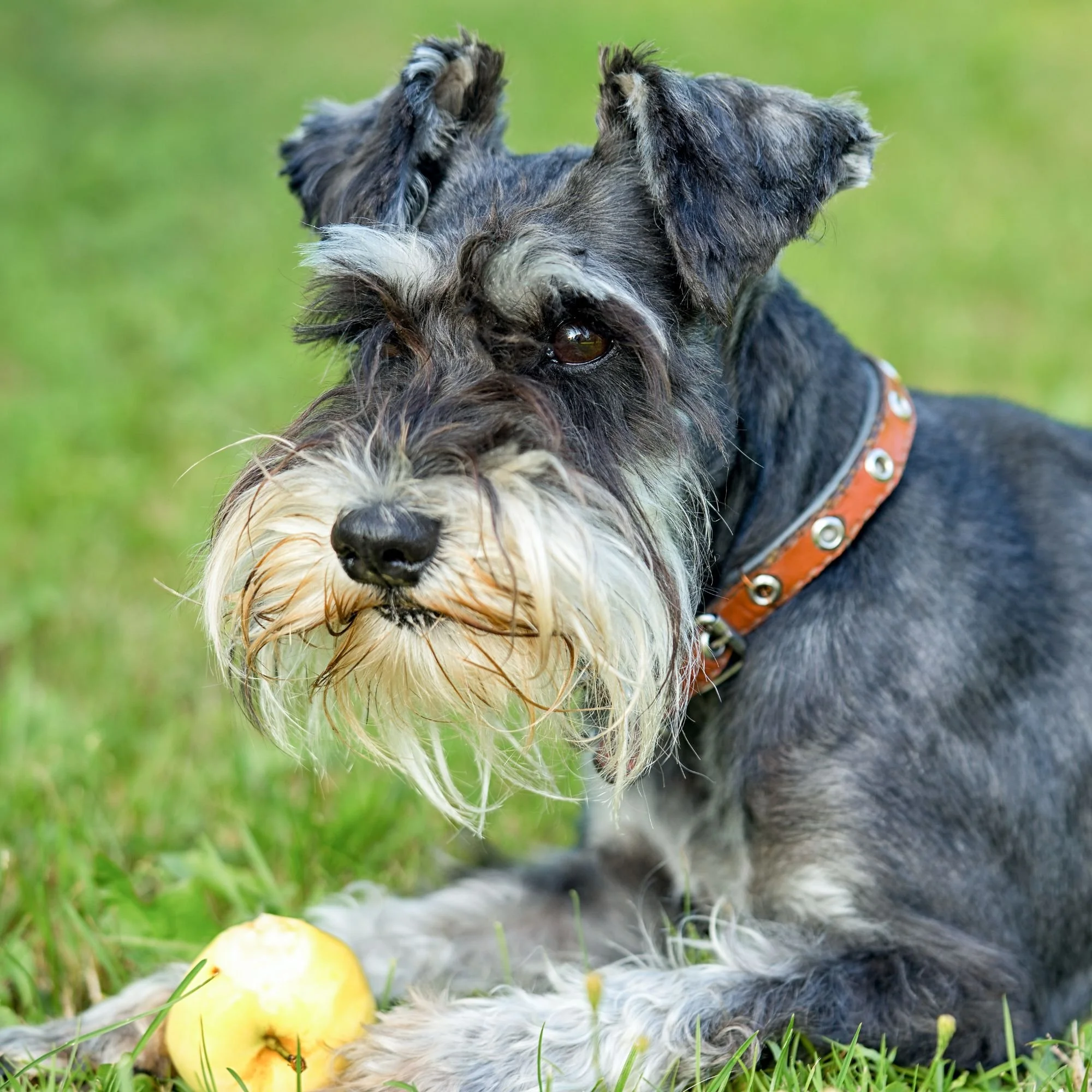
If you're looking for an intelligent and loyal pup, a schnauzer may be perfect for you. They may be miniature, standard, or giant, and all Schnauzers have the recognizable rectangular head, mustache, and bushy eyebrows. They have hair that sheds very little, but they do require regular grooming.
9. Chinese Crested
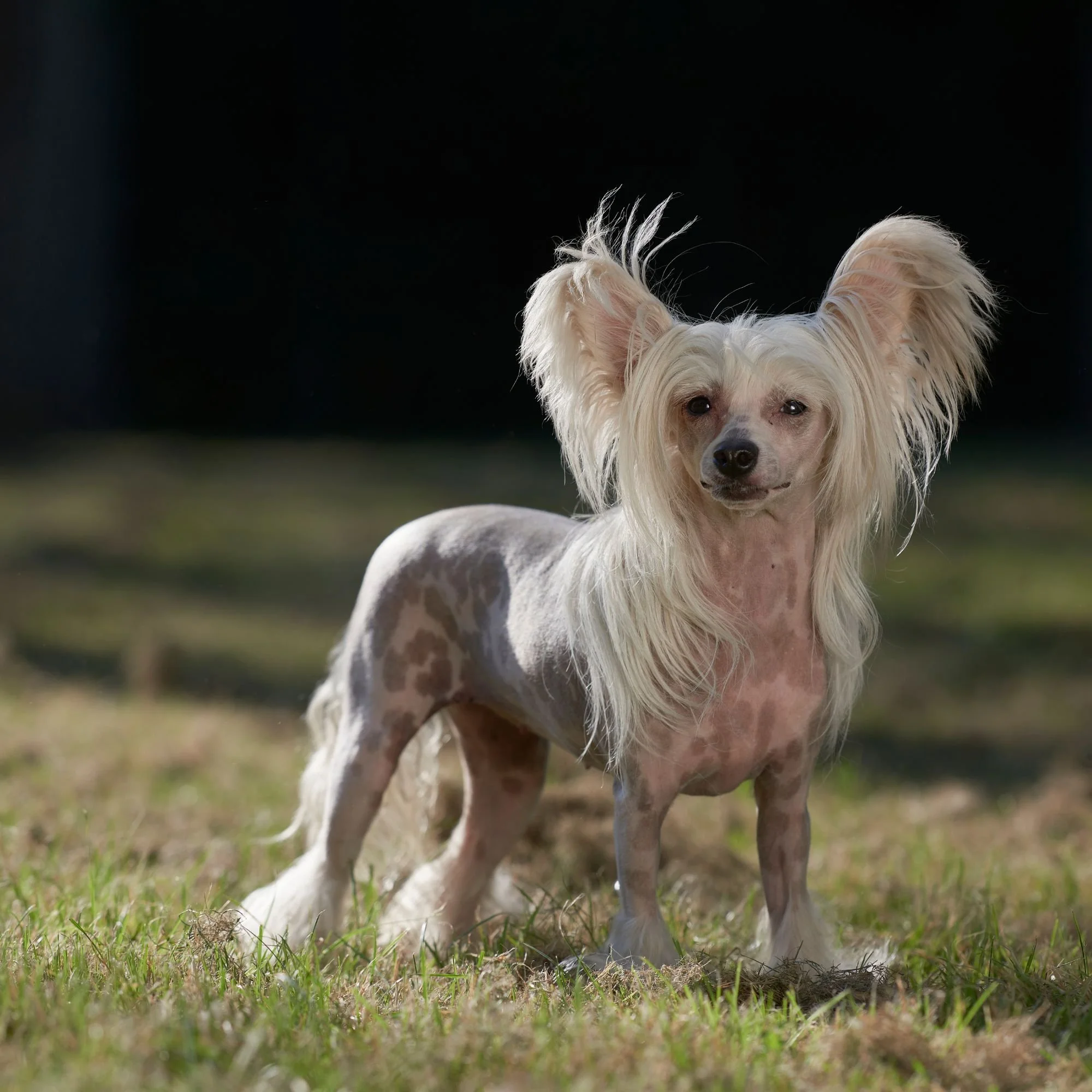
The Chinese Crested Dog is popular for it's almost hairless look, making it a great hypoallergenic dog. Chinese Crested Dogs are playful, sensitive, and respond well to positive reinforcement. Our chicken bites are the perfect, healthy treat option to use for positive reinforcement training!
10. Goldendoodle
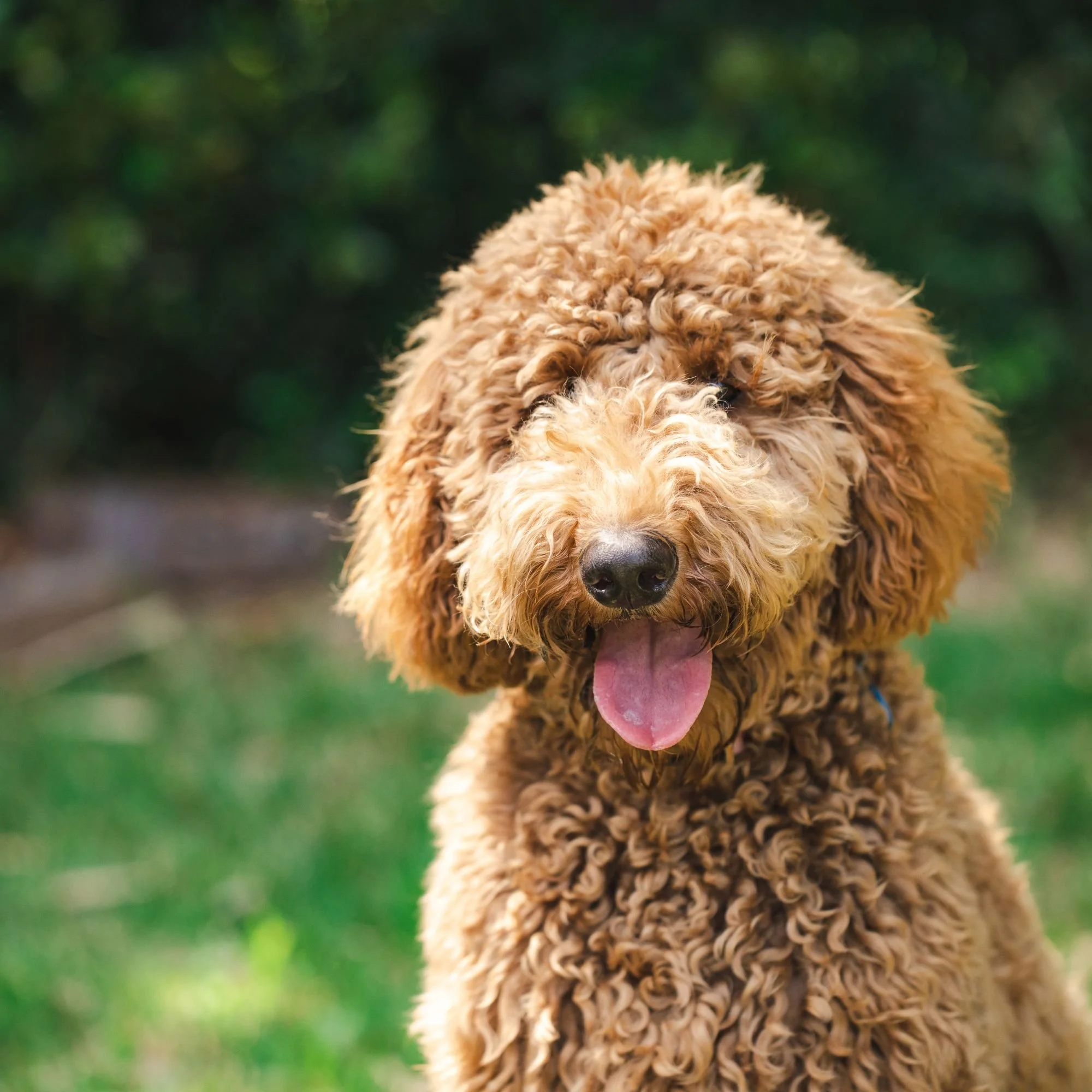
Lastly, Goldendoodles are a crossbreed of a Golden Retriever and a Poodle and they are often gentle, social, patient with kids, and intelligent. They have a low-shedding coat, making them popular among the hypoallergenic dog breeds, but they also require frequent brushing and grooming.
Tips if You're Allergic to Dogs
Remember that no dog breed is 100% hypoallergenic. That being said, there are things you can do to minimize your reaction to dogs. Here are some tips to keep in mind if you're allergic.
Brush and groom consistently.
Keeping your pet well groomed not only helps prevent matting, but it also removes dander and loose fur that could affect you. If possible, try to brush your dog outside instead of in the house.
Clean dog hair regularly.
If you're sensitive to dog hair, take extra care to clean it consistently. This may look like vacuuming your main living spaces most evenings, using a lint roller like the ChomChom for your couches and clothing, or using a tool like the Uproot for hard-to-clean dog hair in your carpet.
Spend time with a particular dog or breed to test your reaction.
You may not know how you'll react to a certain dog. Before bringing your dog home, try to spend time with that dog or the same breed to see how your body reacts.
Have pet-free furniture pieces.
It may be helpful to have a few pet-free areas of your home. This could be your bed, so you don't have any dog hair where you sleep. Or, you may choose to have certain chairs or couches for humans only.
FAQs about Hypoallergenic Dog Breeds
-
Talk to your doctor to discuss your specific reaction to dogs. Take note of your symptoms as well. If you've been exposed to dogs since a young age, you may have less of a reaction. Certain dog breeds are better for people who suffer from asthma, especially if they are considered hypoallergenic.
-
While no dog is completely hypoallergenic, some dog breeds are significantly better for allergies. The Poodle and Bichon Frise are two popular hypoallergenic dog breeds.
-
The Maltese is one of the calmest hypoallergenic dog breeds, as they're often very gentle and love to be in their human's lap.
-
Mixed breeds or smaller purebreds are typically more affordable. Some hypoallergenic dogs to consider are the Shih Tzu or Toy Poodle.

About the Author
Karley Parrish is a dog mom to her pug, Rico and pittie mix, Stryker. She’s a Maryland resident, passionate hobby collector, and the founder of Bud to Bloom Marketing, where she helps small businesses grow their communities and boost their sales through ethical strategies. Most days, you can find her sipping a coffee at a local spot or exploring a new hiking trail with her husband and pups.