
What to Do if Your Dog Doesn't Want to Eat
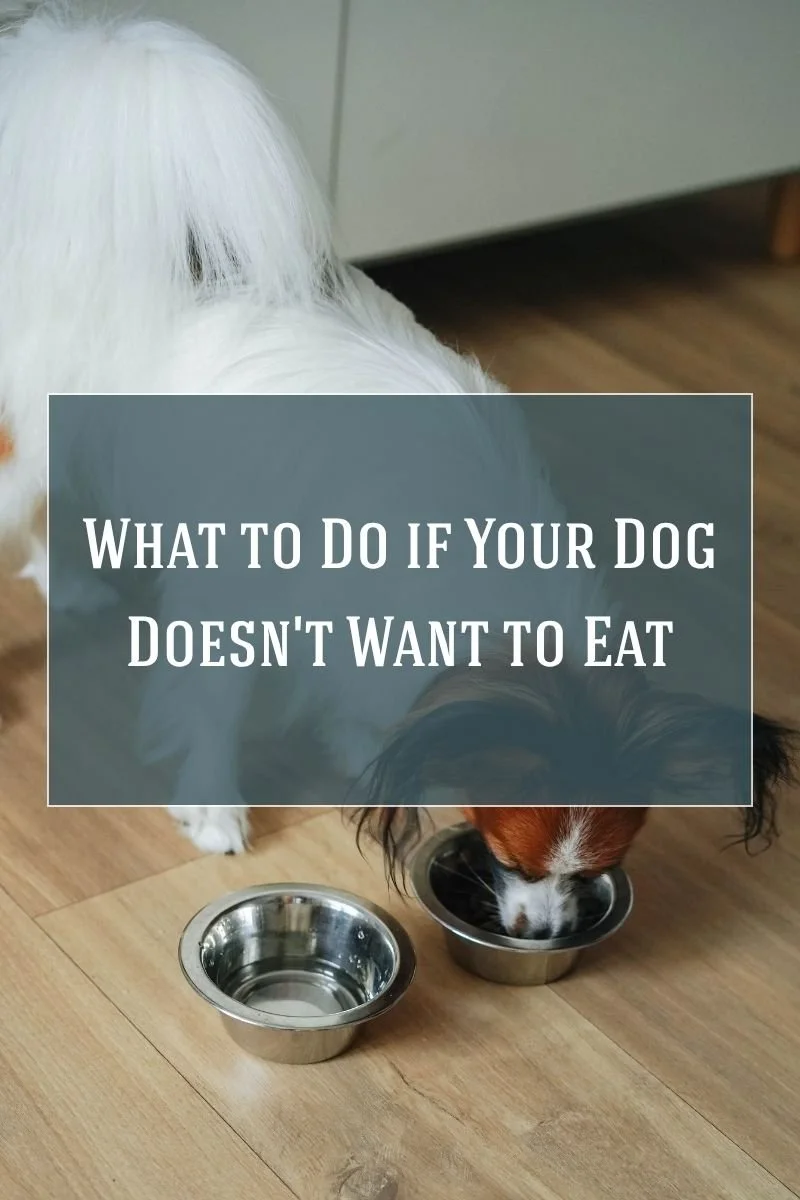
If you're a dog owner, you know it can feel frustrating, and sometimes scary, if your dog doesn't want to eat. In this post, we'll cover some potential reasons why this could be happening, ways to encourage consistent eating habits, and some questions you may have about why your dog isn't showing an interest in food.
Lack of Appetite for Dogs
Your dog not wanting to eat is difficult on them and on you as their owner. For our food-motivated friends, a lack of appetite may signal that something is wrong. On the other hand, a dog not wanting to eat may just be based on preference—some dogs are picky eaters! Either way, it's important to get to the root of the issue and find a solution that works best for your furry friend.
Potential Reasons Why Your Dog Doesn't Want to Eat
There are many reasons why your dog may have a low appetite. Here are some of the most common ones.
Medical Issues
While this isn't always the case, a dog not wanting to eat could be a sign of a medical issue or condition. They could have dental issues, such as tooth pain, periodontal disease, or a fractured tooth. If they struggle chewing hard food, this could be the cause. Kidney issues could be another cause, whether that's a kidney infection or failure.
They also could be having tummy issues, which is indicated by a lack of appetite paired with other gastrointestinal symptoms such as vomiting or diarrhea. To rule out medical issues being the underlying cause of your dog not wanting to eat, contact your vet.
Stress or Anxiety
Have you ever felt too stressed to eat? Dogs experience the same thing! If your pet is feeling extra stressed or anxious, they may not show an interest in food. Some stressors common for dogs are environmental changes, such as moving or traveling, separation anxiety, and changes in routine. Consider if your dog is showing other signs of stress or anxiety and if that could be the cause of their low appetite.
Change of Diet
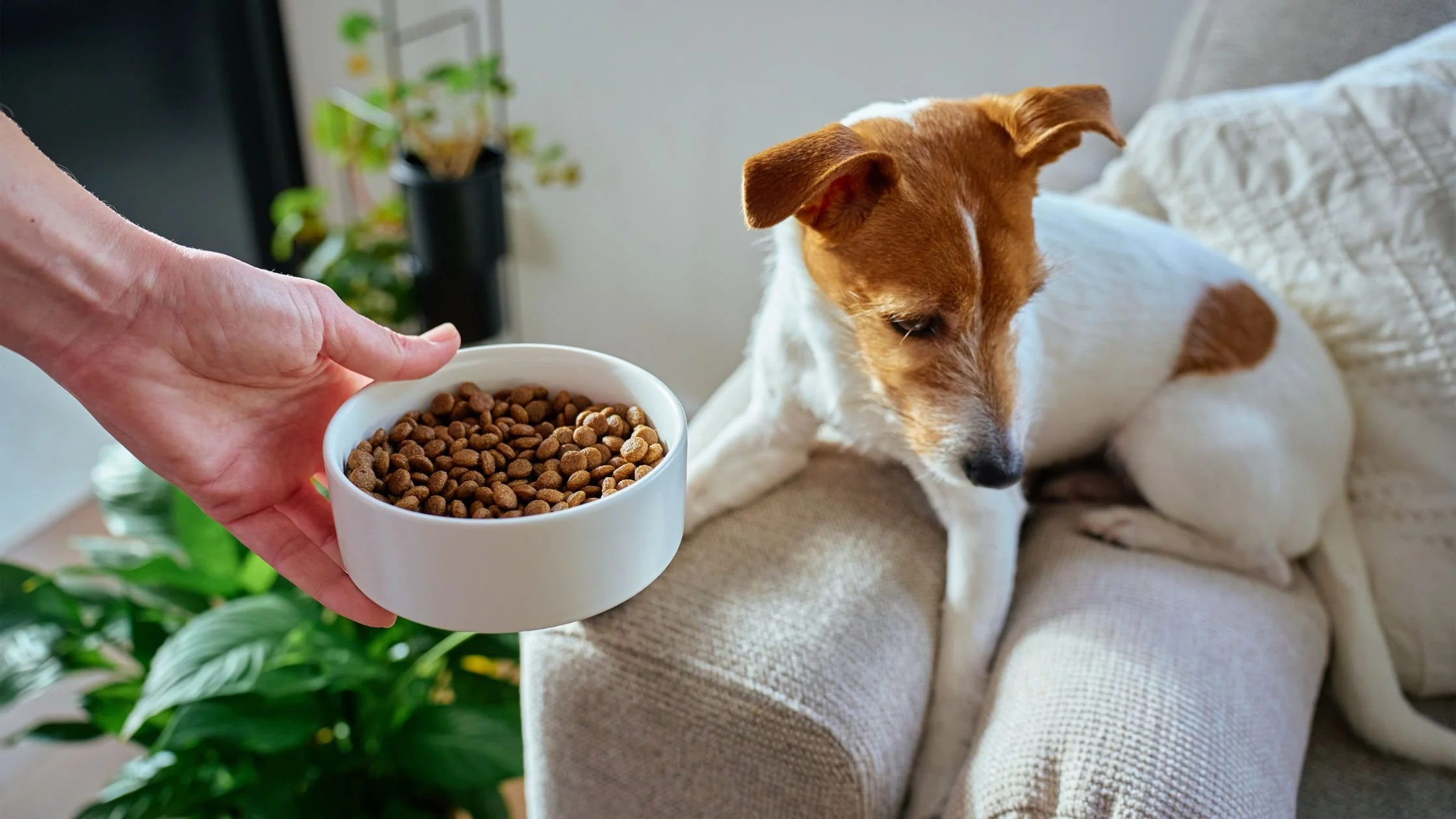
If you've changed up your dog's diet recently, that may be why they're struggling to eat. It's possible you need to try another food until they find one they like, or perhaps they just need some time to adjust. Don't take it personally if your pet is picky!
Aging
Some dogs show less interest in food as they get older. They could have a reduced appetite due to decreased exercise or potential medical issues.
6 Ways to Encourage Your Dog to Eat
Now that you have an idea of why your dog doesn't want to eat, here are some ways to try stimulating their appetite.
1. Add a food topper.
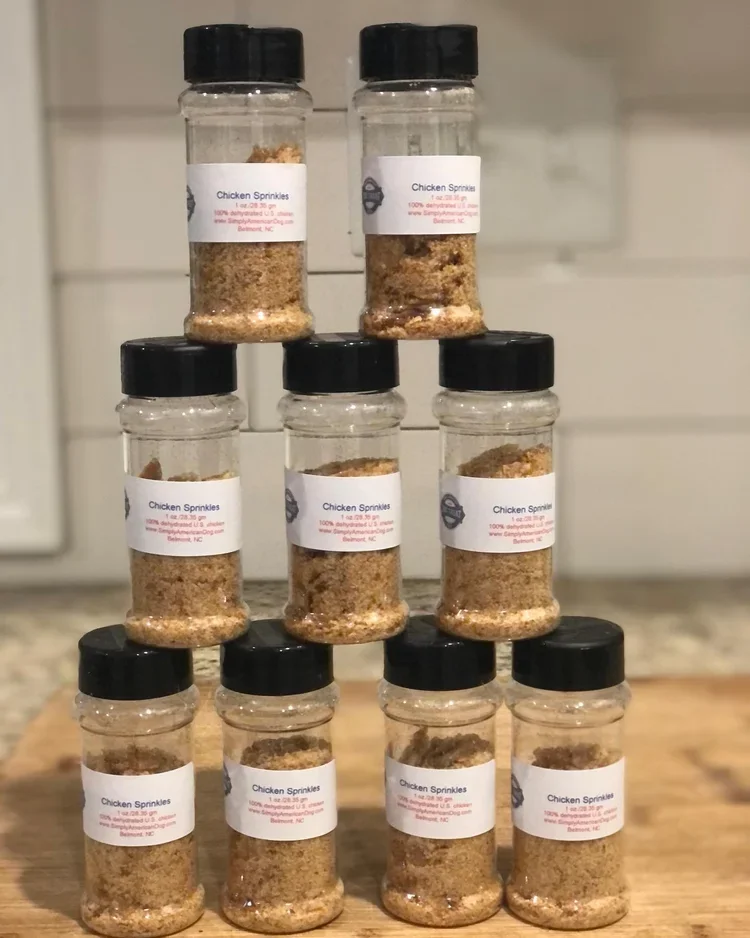
A food topper is an easy way to add extra flavor to your dog's meals. If they've been eating the same kibble for a long time, this will change things up for them without needing to try a whole new brand! Our Chicken Sprinkles are perfect for this, and they come in 1 oz. shaker bottles for easy use.
2. Make it easier for them to access their food.
There's a chance your dog doesn't want to eat because it's become difficult to access their food. Make it as easy as possible for your pet to get to and eat out of their bowl. This may look like changing the location where they eat, switching to a raised bowl, adding a nonslip mat, or moving to softer food if they have trouble chewing.
3. Offer a new flavor.
Just like humans, dogs have flavor preferences! It's possible your dog is tired of or doesn't like their food flavor. Try other flavors to see if they have a different response and act more enthusiastic about eating. If you don't want to change the food they're eating, a food topper is a great way to add additional flavor.
4. Try warming the food.
Heating up your dog's food may make it more enticing for them to eat. If they're having dental issues, you can even add a little water to hard food and warm it up in the microwave to make it softer and easier to eat.
5. Take your dog for a walk or play with them before mealtime.
Getting some exercise in could help stimulate your dog's appetite. Try going for a walk around the block, run around the backyard, or encourage them playing with toys in the hour or so leading up to mealtime.
6. Stick to a consistent schedule.
Dogs are creatures of habit, and having a consistent feeding schedule will help them get into a routine. Try to feed them around the same times every day and evenly space out their meals.
Next Steps to Stimulate Your Dog's Appetite
As you can see, there are many possible reasons why your dog doesn't want to eat and a variety of ways to remedy the problem. It may take trial and error to see what works best for your pooch, whether that's using a food topper, warming up their food, making food more accessible for them, or something entirely different. As always, if you have any medical concerns or questions, contact your vet immediately.
FAQs about Low Appetite for Dogs
-
If your dog doesn't want to eat, try adding a food topper or changing up the flavor of their food. You can also try warming up or softening their food, hand feeding them, and taking them for a walk prior to eating. Be sure to stick to a consistent eating schedule and make their food bowl as accessible as possible.
-
If your dog hasn't eaten for 24 hours, take them to the vet for further examination. It's recommended to take them to the vet immediately if they're showing other physical symptoms such as vomiting, diarrhea, or lethargy.
-
There are many possible reasons why your dog may refuse food. They could have a medical condition, such as dental, GI, or kidney issues. They could be experiencing stress or anxiety, making it difficult to focus on eating. It's also possible the change in appetite is due to aging, or that they're a picky eater who prefers a different flavor!
-
Figuring out how to boost your dog's appetite may take some trial and error, because every pup is different. You can try adding a food topper to their food for extra flavor. Some dog owners find taking their pet for a walk or playing with them prior to mealtime enhances their appetite. You can also warm up their food, change the flavor, or hand feed them.

About the Author
Karley Parrish is a dog mom to her pug, Rico and pittie mix, Stryker. She’s a Maryland resident, passionate hobby collector, and the founder of Bud to Bloom Marketing, where she helps small businesses grow their communities and boost their sales through ethical strategies. Most days, you can find her sipping a coffee at a local spot or exploring a new hiking trail with her husband and pups.